
Living-room sofa
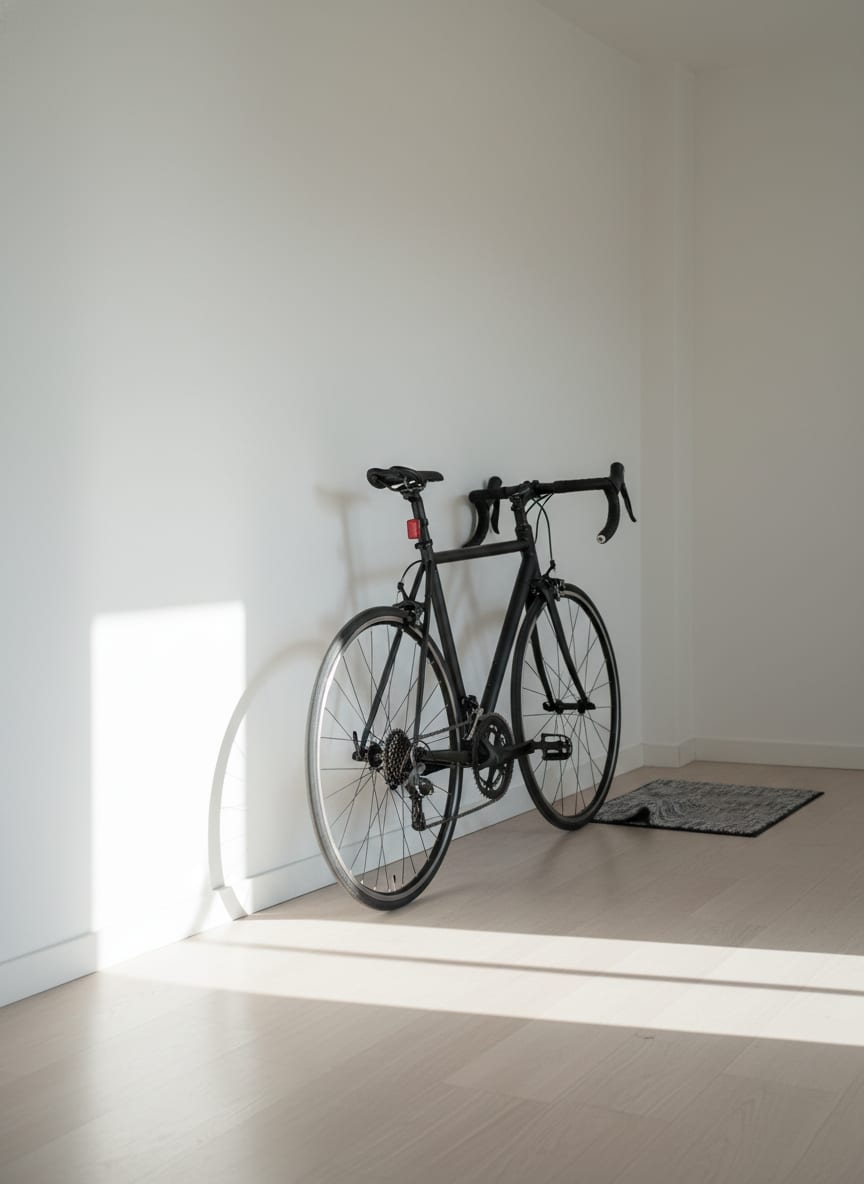
A daylight snap from the corner of your living room. The GPS in the JPEG is accurate to a few meters — that's the room you sleep in.
Every photo you take inside your home for a Marketplace listing carries the exact coordinates of the room it was taken in. Buyers download those photos. So do scrapers, opportunists, and — in 2018 — anyone who knew about a now-patched Facebook Marketplace API that returned full latitude / longitude on every listing. Strip it once, locally, and the file you upload has no address to leak.

Real incident · 2018
UK researcher John Moss demonstrated that listings created in the Facebook mobile app returned the seller's full latitude and longitude through the public API — not the "approximate" location Facebook claimed in the UI. The bug was fixed. The platforms that haven't been audited that publicly are still a question mark.
The lesson generalises: stripping at the platform layer is something the platform does for you, as a favour, subject to bugs, undocumented edge cases, and revision. Stripping at your machine is something you do once and can verify.
In the file
Combined with a real first name, a buyer can identify the seller and the address from a single photo. The platform can claim the location is "approximate" in the UI, but the file you uploaded is exact.
Three rooms · same address
A daylight snap from the corner of your living room. The GPS in the JPEG is accurate to a few meters — that's the room you sleep in.
Shot in your apartment building's entryway. Same GPS. Buyers ride away with the photo. So does anyone scraping the listing feed.
Even a tight product shot of a watch carries the kitchen's coordinates. The fact that the picture shows no context doesn't protect the file.
FAQ for sellers
Facebook strips EXIF from the publicly viewable image — but their public-facing API has, in the past, returned the seller's exact latitude and longitude alongside listings, even when the UI claimed the location was "approximate." The original you uploaded sits on Meta's servers untouched. The safest play is to never hand them the GPS in the first place: strip it locally before you click "List."
Craigslist strips most EXIF when they re-host uploaded images, but the behavior isn't documented or guaranteed, and image hosts they've used over the years have changed. Strip locally and the question doesn't apply.
Behavior varies by platform, by year, by upload path (web vs. app), and by image format. Treat them all the same way as Marketplace: assume the original lands on their servers in full, and the public-facing strip may or may not catch every field. Strip before upload and you're covered regardless.
Because the photo carries the exact coordinates of that living room, accurate to ~3 meters. Anyone who saves the file from the listing — a buyer, a scammer, a thief — has your home address. The historical 2018 Facebook Marketplace API leak exposed exactly this for thousands of UK sellers: the latitude / longitude was in the response JSON.
Often yes. EXIF carries a small embedded thumbnail (typically 160 × 120) that's used for quick previews. When you crop a photo in Photos.app, the thumbnail is NOT always regenerated — so the version someone extracts from the file can show the un-cropped scene. Tracemute strips embedded thumbnails along with everything else.
Yes. MP4 and MOV walk-around videos carry the same per-frame GPS, camera serial, and capture metadata as still photos — and on modern iPhones, even more of it. We strip the container's metadata atoms losslessly: same picture, same audio, no location track.
Drop the whole batch into Tracemute, review the dossier (GPS, device, owner, capture time), download the cleaned files as a zip. The picture stays identical. Nothing inside it points to your door.
More situations